

Please resize your window or rotate your device.

An icon demonstrating the rotation of a phone from landscape mode to portrait mode

A soft staple with important impacts

about
Cotton

The conventional cotton industry uses a disproportionately high amount of the world’s insecticides

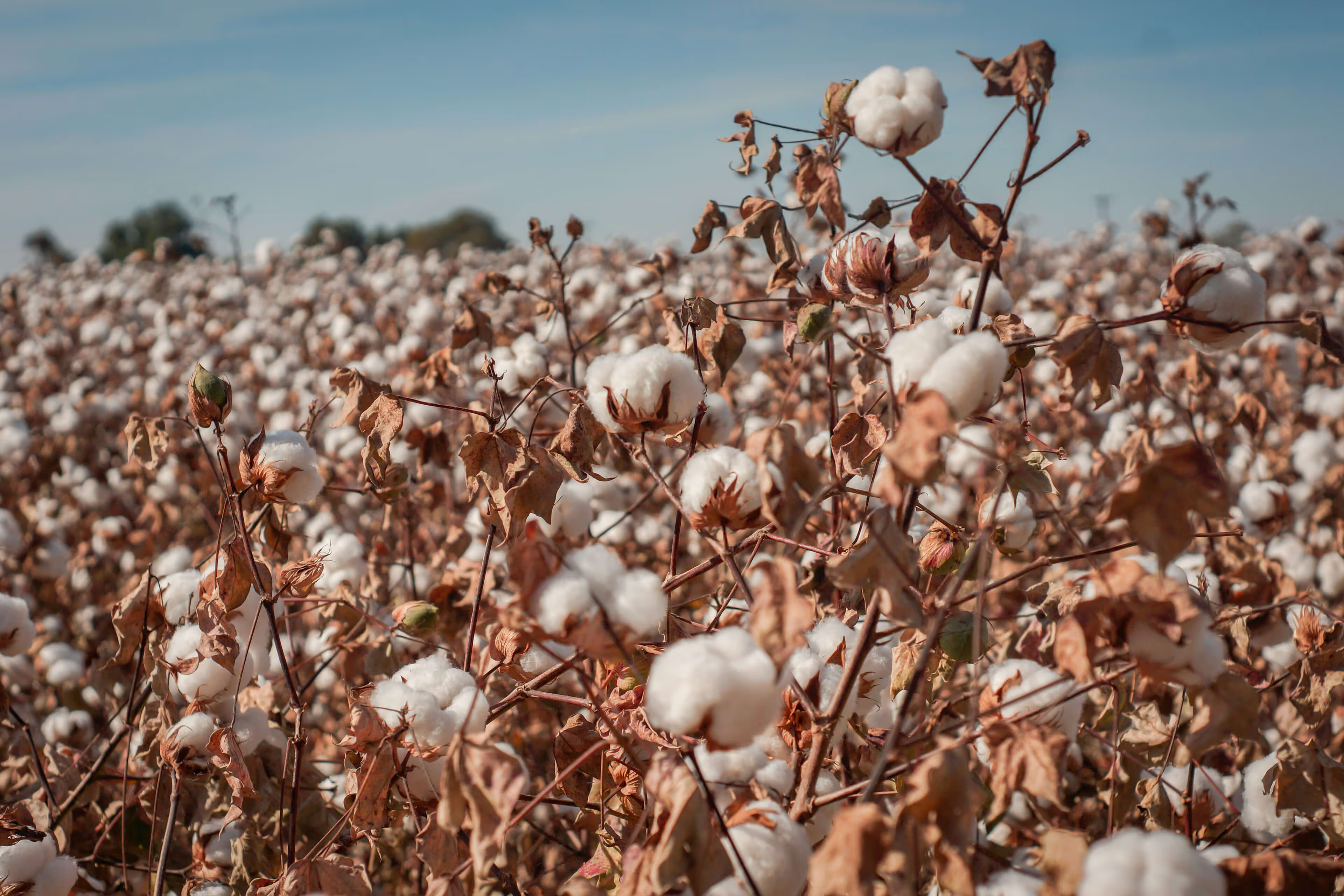
Cotton is a seed fibre grown on a massive scale, second only to polyester in global fibre production. Its widespread use, softness, and versatility make it a staple of the textile industry. However, conventional cotton farming is often chemically intensive, water-thirsty, and reliant on genetically modified seeds.

Organic and regenerative practices offer a better path forward. These methods reduce synthetic inputs, improve biodiversity, and help restore soil health. Recycled cotton, while limited by fibre strength, reduces the demand for virgin resources and waste.

our ranking

The ranking of cotton depends on the way of farming. Organic, regenerative, and recycled cotton is preferred; conventional cotton is approved

A

Preferred

Preferred materials are considered to be the least environmentally impactful, sustainable, and ethical options for textile production. These materials are often made from natural, renewable resources, and are processed using methods that have minimal impact on the environment. These materials are typically more expensive than synthetic alternatives, but are considered to be worth the extra cost due to their positive environmental and ethical impact, as well as longevity and resell value at end of life.
B

Approved

Approved materials may be less expensive than preferred materials, but may not be as ethical or sustainable as Preferred materials in their production. Even when using Approved materials, certain standards and guidelines should be followed to ensure minimising negative impacts.
best sourcing practices
recommended alternatives

How to Source Better

Cotton

Substitutes for

Cotton

To reduce environmental impact, look for organic or regenerative cotton grown without synthetic pesticides or GMO seeds. Prioritise rain-fed farming where possible and prefer certified supply chains. Recycled cotton is best for low-impact applications, though fibre quality may vary.

If your team needs support sourcing, talk to us to find out how we can help.

Book a Discovery Call

Discover how we can help your team select better materials

Material sourcing and treatments often carry hidden social, environmental, and animal welfare risks. We help brands understand what they're using, and what it means.
Unravelling Cotton’s Hidden Complexity

A leading brand with a complex global supply chain came to Bergstrand with a clear goal: to better understand the risks in their cotton sourcing, and to find opportunities for improvement. With an interest in organic and regenerative cotton, they commissioned us to explore global sourcing options and advise on next steps.

Discover more →


Discover how we have helped unify design, product and sourcing teams with material guidance tailored to our clients’ needs.

Minimise your brand’s impact with a clear understanding of your material choices

Materials and treatments are at the heart of every product. Bergstrand helps brands navigate these choices through clear guidance, structured tools, and practical workshops that embed sustainability into design and development.

Discover more →